The Beginning|起點
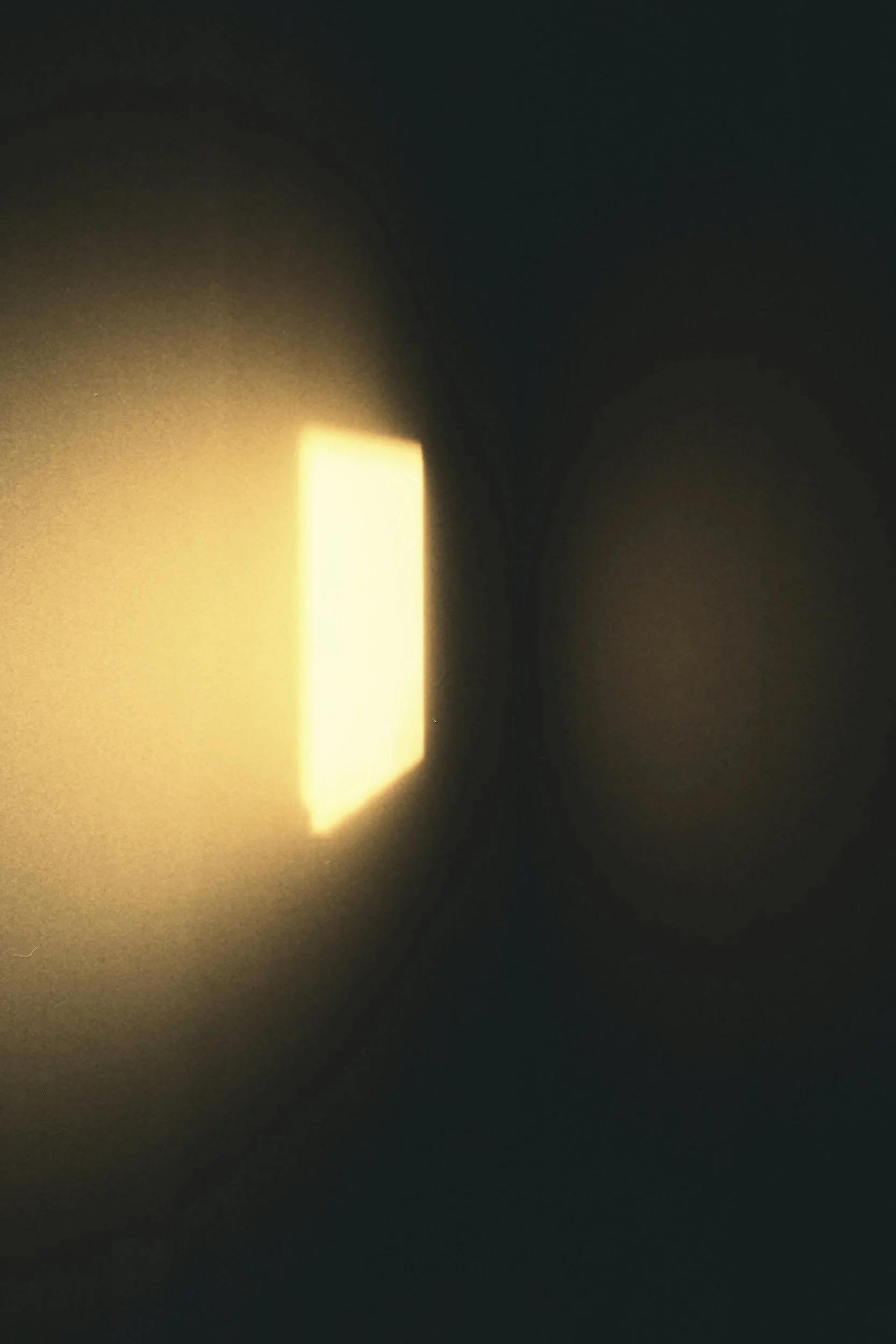
「暘」的本義是太陽初升,描述介於夜與晝之間的時分,邊界鬆動,光線正要展開。它不是全然的暗,也不是全然的亮,而是兩者交界、尚未定形的狀態,一切都還在生成之中。
「築」則是讓這道光得以被容納的結構,以木為根,承接自然延伸而來的秩序;又如竹,於堅韌之中留有納氣的餘地。當「暘」與「築」相合,光不再只是穿越,而是被承接、被安放,結構因此有了溫度,光也因此有了棲所。
SOLARCH 承接同樣的本源。SOL 取自拉丁語,是光的原初源頭,是生命與能量的起點;ARCH 源於希臘語 arkhē,意指起點、原理,以及一切結構與形式的根基。一為光,一為結構,正如「暘築」,讓每一次建造,都從承接光開始。
In Mandarin, 暘 (yáng) names the moment the sun first rises — the hour between night and day, when boundaries loosen and light begins to unfold. It is neither wholly dark nor wholly bright, but a state held at the threshold of the two, still unformed, still coming into being.
築 (zhú) is the structure that lets this light be received. Rooted like timber, it carries an order drawn out of nature; supple like bamboo, it holds, within its resilience, room to breathe. Where 暘 and 築 meet, light no longer merely passes through — it is received, and given a place to rest; structure takes on warmth, and light finds a dwelling.
SOLARCH carries the same origin in another tongue. SOL, from the Latin, is the primal source of light, the beginning of life and energy; ARCH, from the Greek arkhē, means origin, principle, and the foundation of all structure and form. One is light, the other structure — and like 暘築, SOLARCH lets every act of building begin by receiving the light.
The Landscape|風景
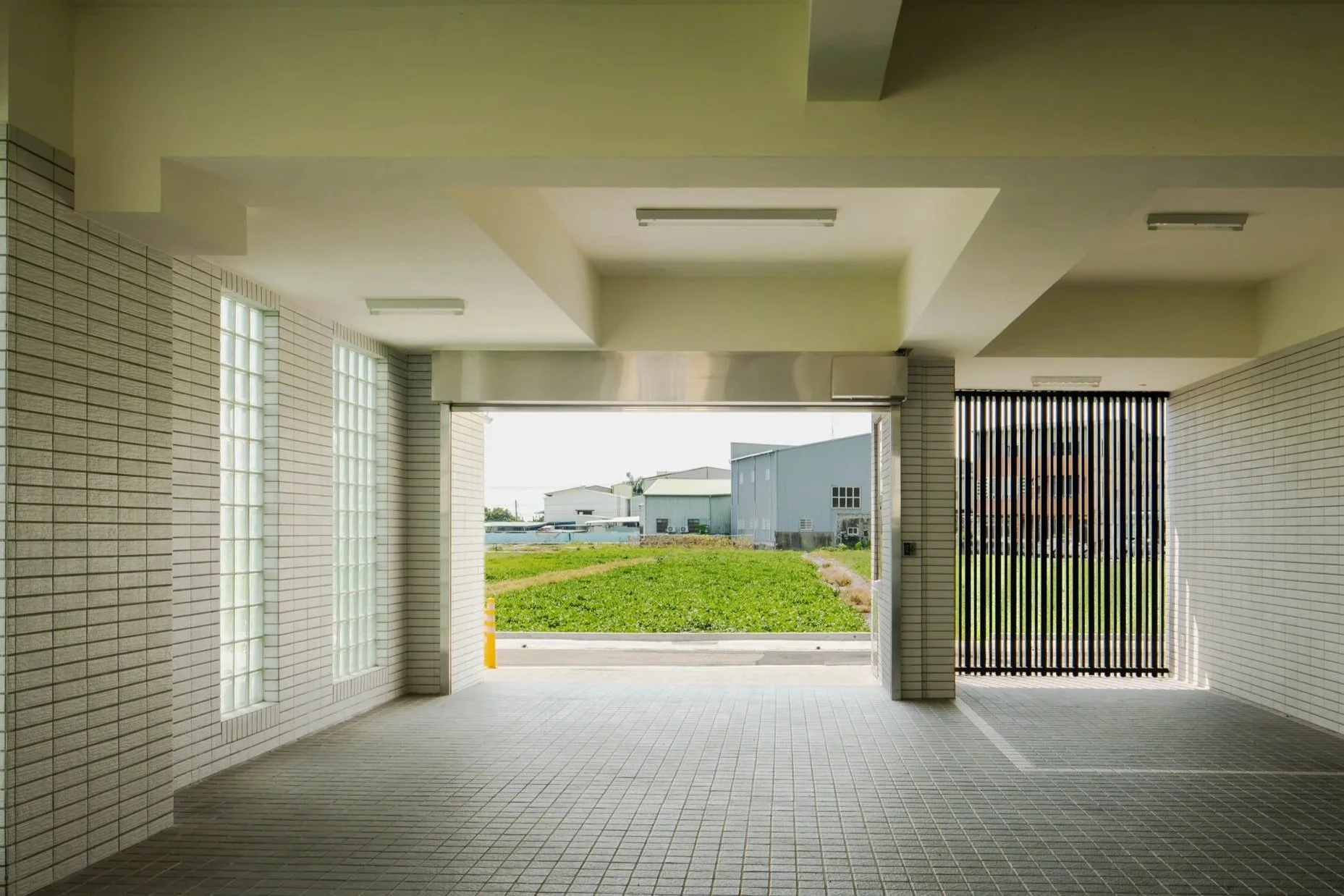
The Landscape,是我們觀看空間的方式——空間不是被建造的物件,而是被居住、被感知的整體。風景沒有中心,也沒有被設計好的起點與終點;它不引導視線,而是任其自由遊走與停留。當我們以「風景」的眼睛去理解空間,建築不再只是封閉的骨架,室內也不再只是被包覆的容器。我們在秩序與偶然之間鋪展場域,探尋本質、褪去繁贅,讓光線、材質與日常在其中交會。
The Landscape is how we regard space — not as a built object, but as a whole that is lived in and perceived. A landscape has no center, no designed beginning or end; it does not direct the gaze, but lets it wander freely and come to rest. When we understand space through the eyes of a landscape, architecture is no longer only an enclosed frame, and the interior no longer only a wrapped container. We open the field between order and chance, seeking the essential and stripping away the superfluous, letting light, material, and the everyday converge within it.
The Window|窗
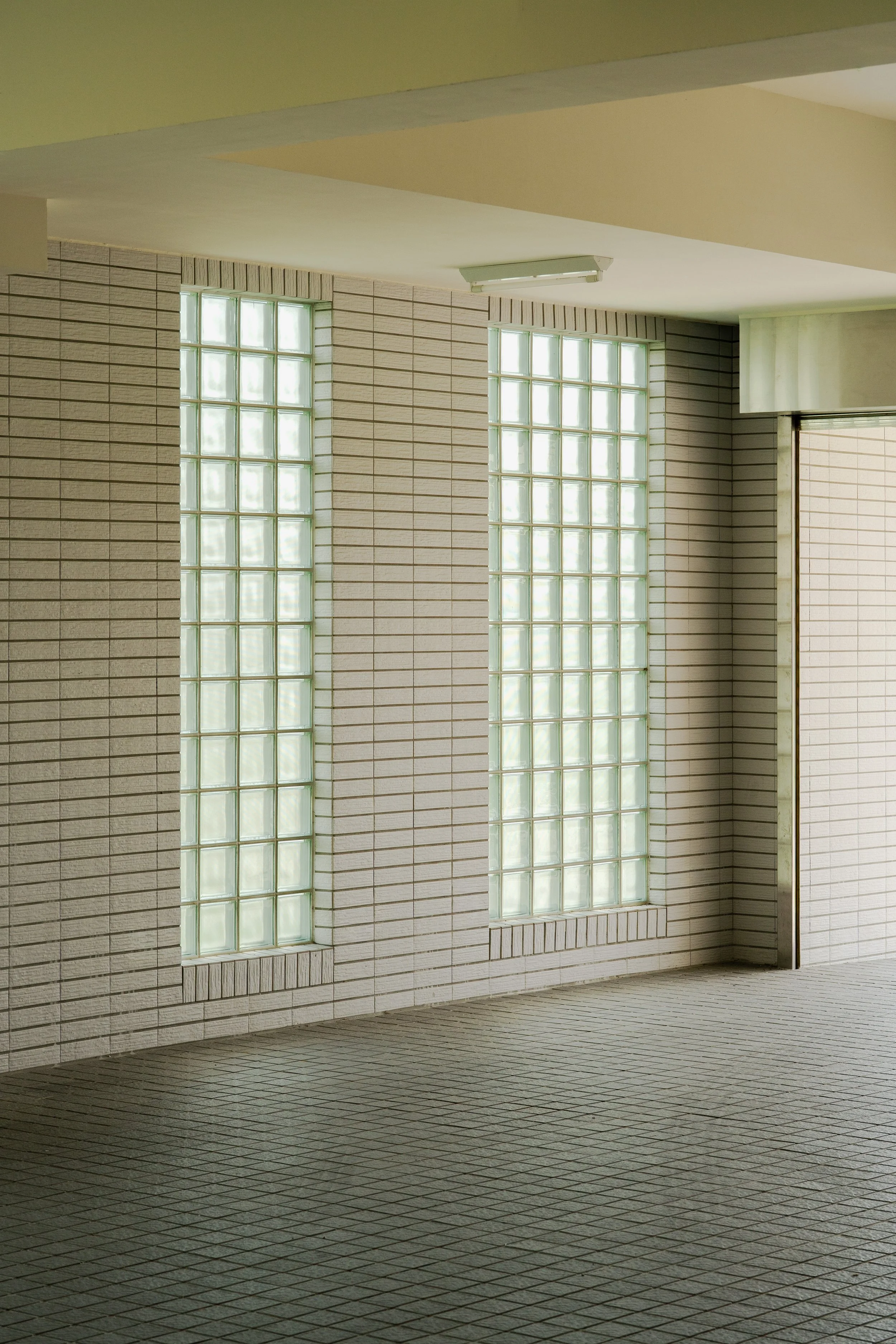
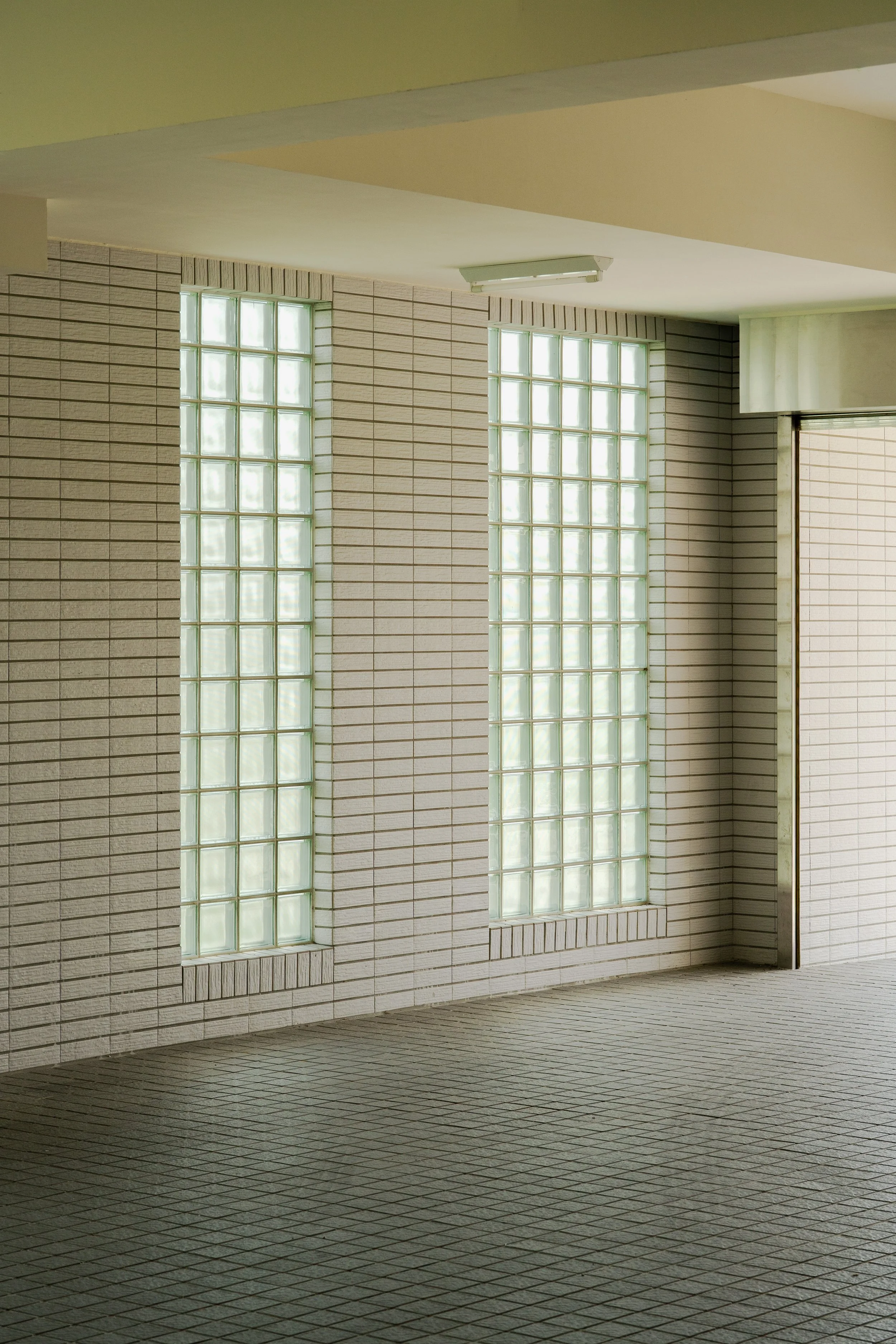
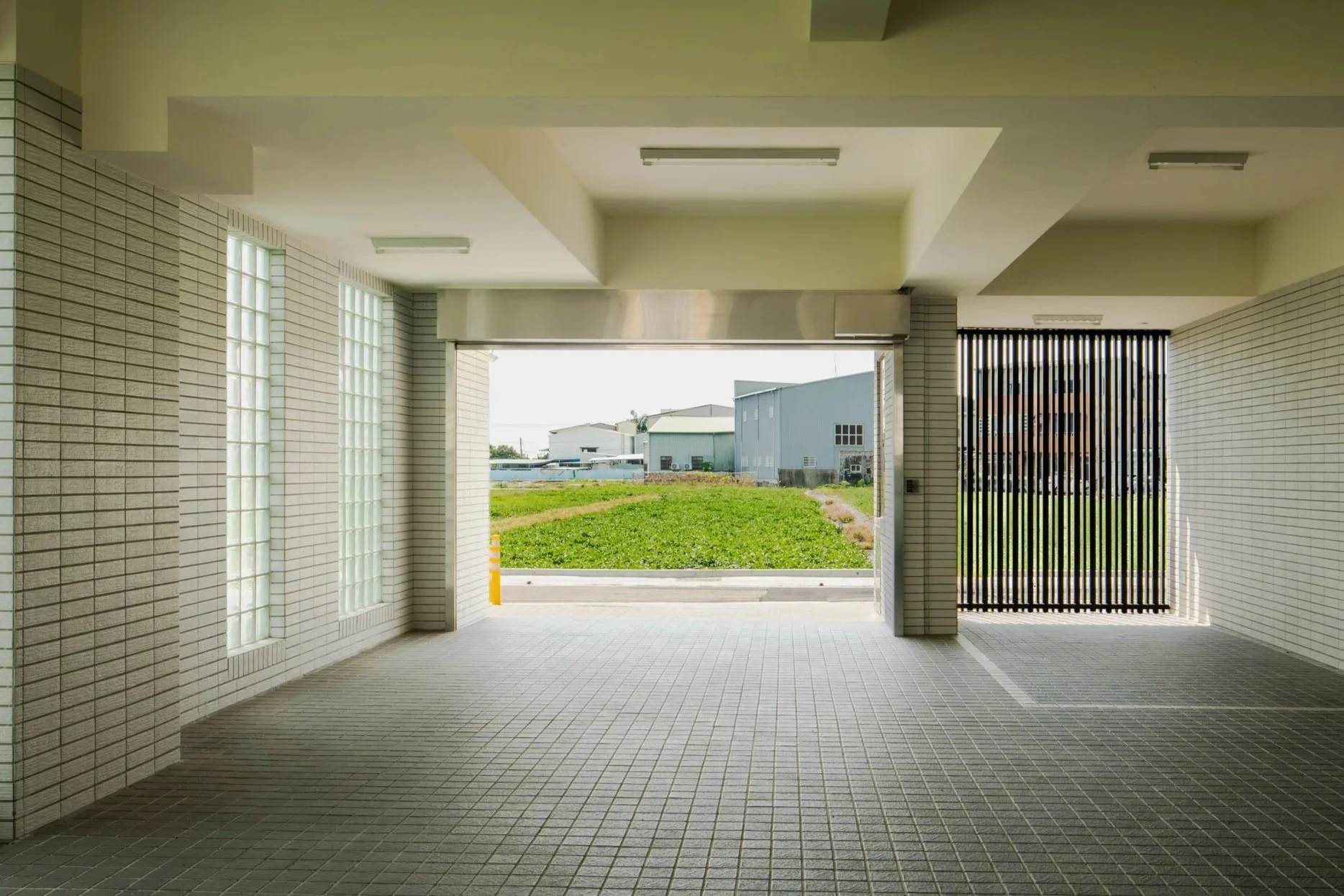
The Window,是我們讓兩個世界相遇的介面——它不屬於內,也不屬於外。窗,是有限與無限的交界。我們不站在建築與室內的任何一側,而是選擇待在它們的「之間」。在這個位置,光得以進入,視線得以穿越,空氣與感知得以往返;內與外不再對立,而是彼此滲透、互為條件。透過這道介面,建築的骨架與生活的柔軟在透明之中共存,空間於是成為一個能被居住、被感知、被生活的風景。
The Window is the interface where we let two worlds meet — belonging neither to the inside nor the outside. A window is the boundary between the finite and the infinite. We take neither the side of architecture nor that of the interior, but choose to remain in the "in-between." From here, light enters, sight passes through, and air and perception move back and forth; inside and outside are no longer opposed, but interpenetrate, each the condition of the other. Through this interface, the frame of architecture and the softness of living coexist within transparency — and space becomes a landscape that can be inhabited, perceived, and lived.